

FIGURE SKATING
Piper Gilles Shares 10 Lessons Behind the Medals
05 Aug 2026
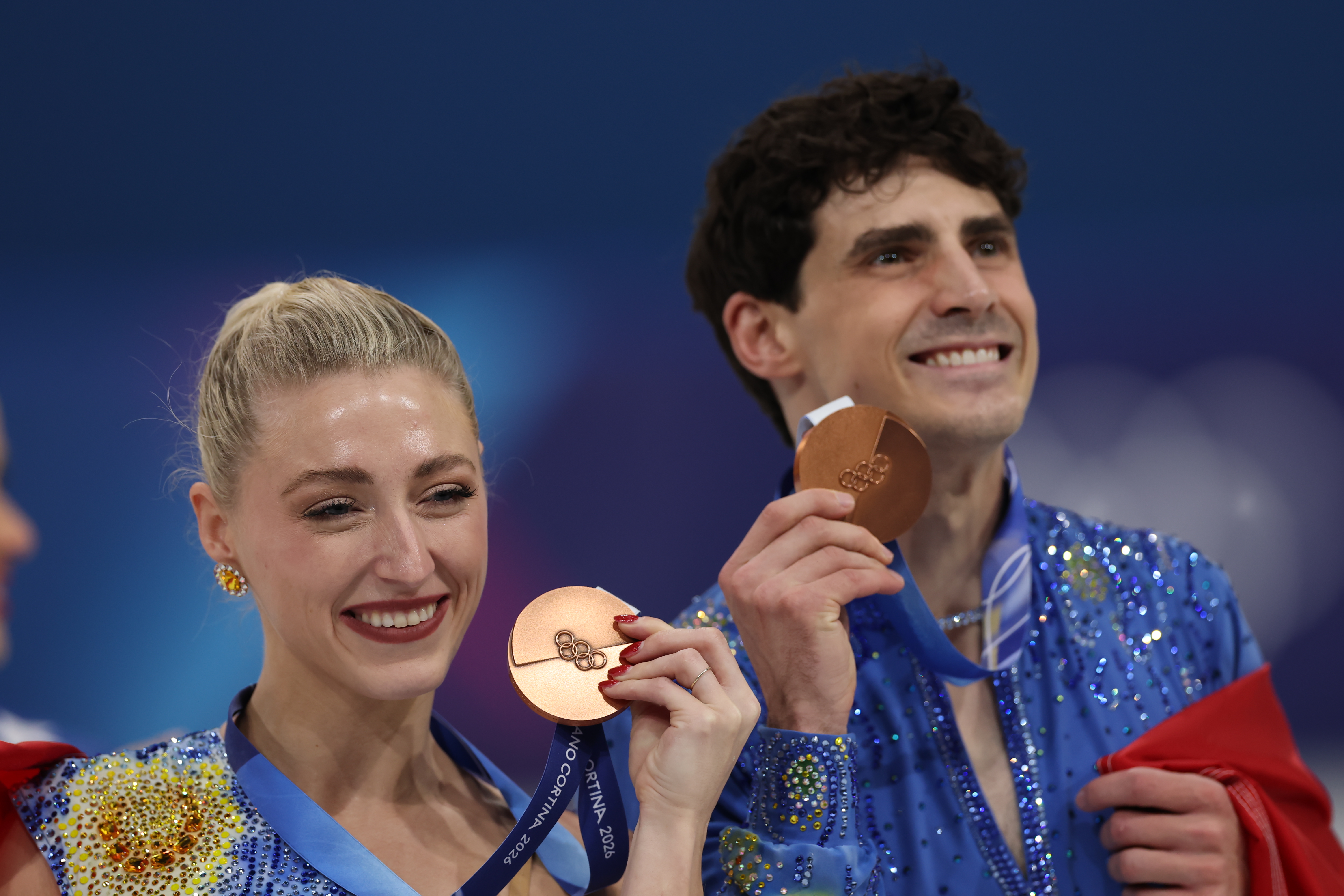
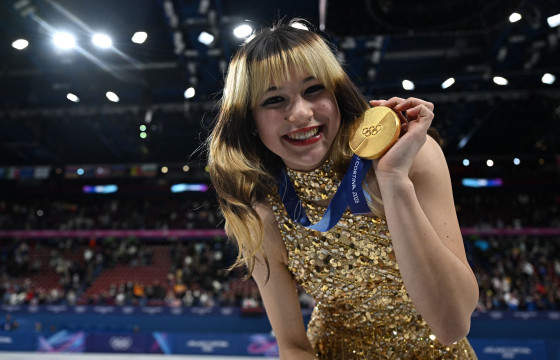
Bronze medalists Piper Gilles and Paul Poirier celebrate after the Ice Dance medal ceremony at the Milano Cortina 2026 Olympic Winter Games in Milan, Italy. © Getty Images
Olympic medals, World Championships podiums and unforgettable performances are often the moments people remember most. But for Canadian ice dancers Piper Gilles & Paul Poirier, those moments are only a small part of the story.
Behind every competition are years of sacrifice, resilience, self-discovery and growth. These are lessons that she learned both on and off the ice.
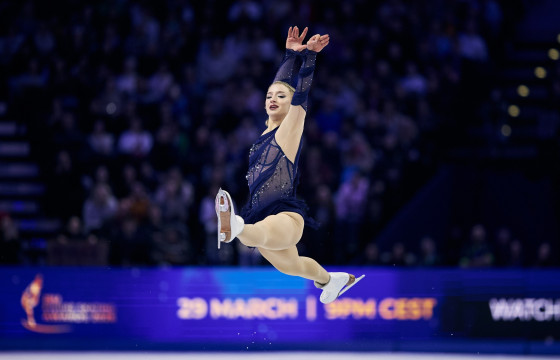
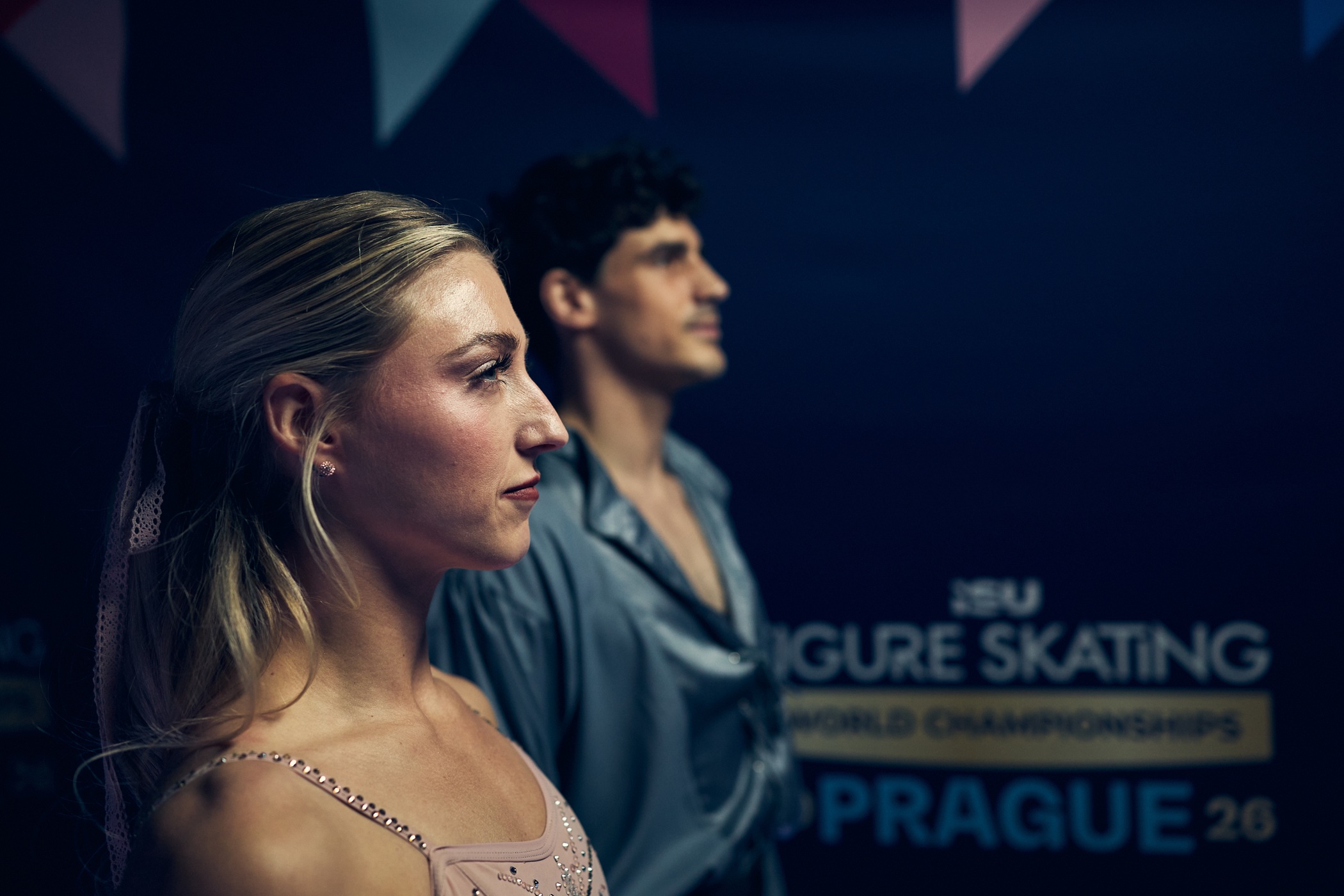
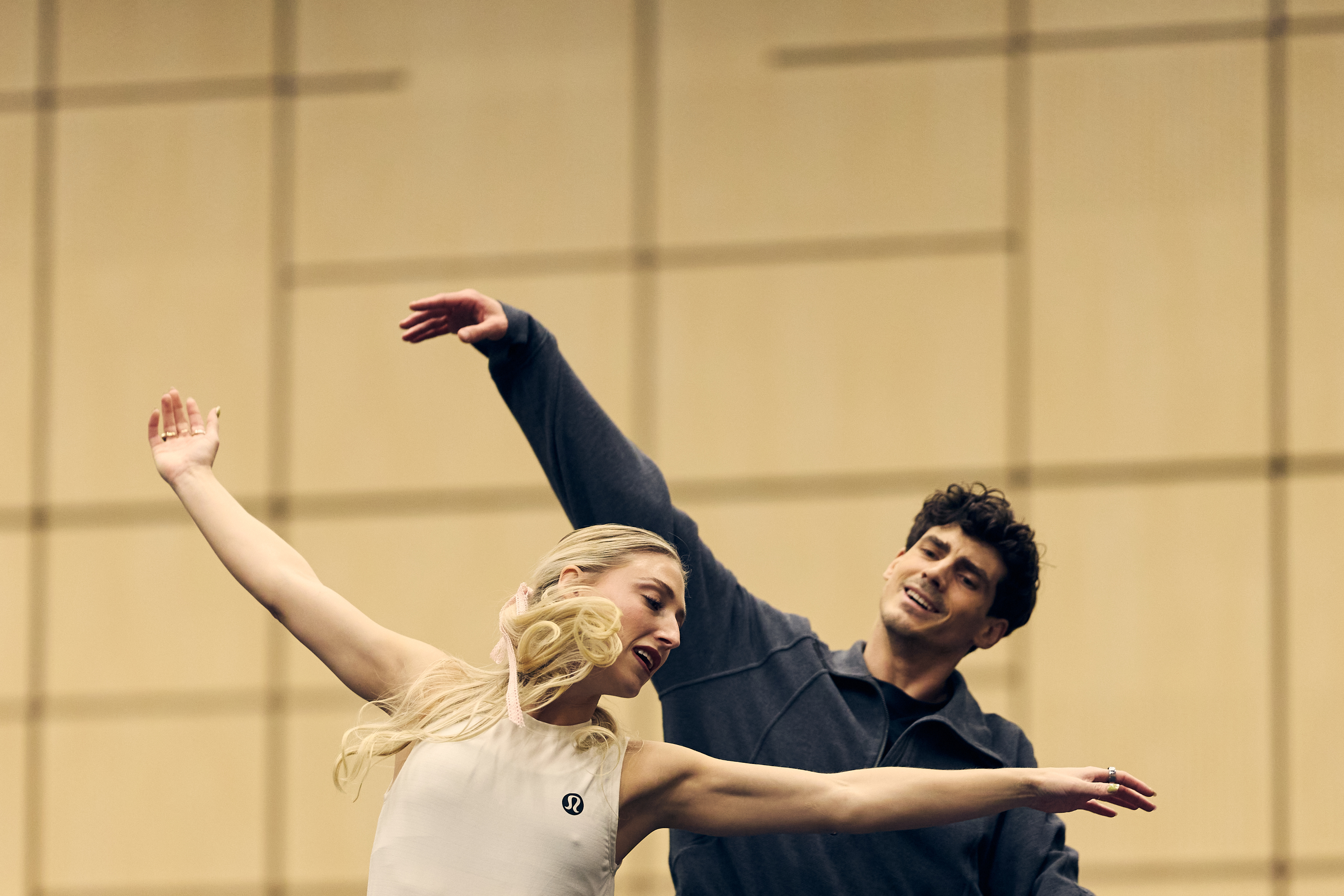 Piper Gilles and Paul Poirier prepare ahead of the Ice Dance Free Dance at the ISU Figure Skating World Championships 2026 in Prague, Czech Republic. © ISU
In a recent Instagram post, Olympic bronze medalist Piper Gilles reflected on the realities of elite sport that people rarely see.
“Everyone sees the medals… but not the full story. There’s sacrifice, pressure and a lot of self-growth behind the scenes. But it’s also taken me places I never imagined.”
Throughout her career, Gilles has experienced incredible highs, including Olympic and World medals, while also navigating profound personal challenges, including the loss of her mother to a brain tumor and her ovarian cancer diagnosis. Those experiences have shaped not only the athlete she has become, but also the perspective she brings to life beyond the rink.
Here are ten lessons Gilles has learned throughout her journey.
1. You'll miss important moments
Elite sport asks for more than your time. It asks for your presence. Training camps, competitions and travel often mean saying no to moments you'll never get back.
For Gilles, that has meant missing time with family, including moments she wishes she had spent with her mother before she passed away, as well as watching her nephews grow up.
“You'll miss a lot of life moments.”
It's one of the hardest sacrifices that people don't always see. Medals are wonderful, but they come with a cost, and sometimes that cost is time with the people you love most.

2. You're always tired
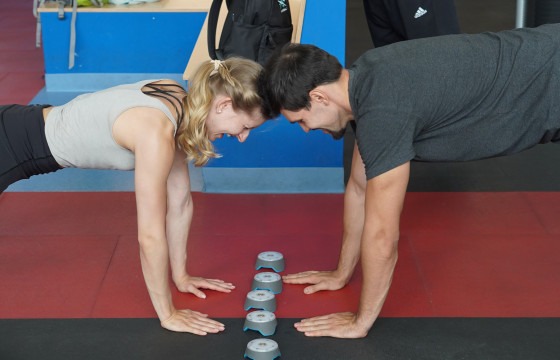
Being an elite athlete is much more than a few hours on the ice each day. Training becomes a full-time job. On-ice practice, strength training, recovery, physiotherapy, choreography, travel and competition all become part of everyday life.
Today’s athletes are also expected to build careers beyond sport by creating content, working with sponsors and growing a personal brand to help sustain a living while they are still competing.
“You're always tired.”
3. Success doesn't erase self-doubt
Many people assume confidence comes with medals, but self-doubt doesn't disappear when you become successful. Sometimes it actually gets louder.
Giles said "after returning to competition following my cancer diagnosis, I remember wondering if Paul and I would be just as successful without my cancer. It sounds so silly to even say that out loud now. We had such a breakthrough season after everything we'd been through, and somewhere in my mind I started questioning whether we could recreate that success without that chapter of our story. Looking back, I know those thoughts weren't rational, but athletes have them all the time. That's why mental training is just as important as physical training. Learning to recognize those thoughts, challenge them and not let them define your confidence is one of the most valuable skills I've learned."
“You can stand on a podium and still question yourself.”
4. Your body is always communicating
Your body is your greatest tool, and over time you learn that it's constantly trying to tell you something. Recovery becomes just as important as training. The more you learn to listen to your body instead of fighting against it, the longer and healthier your career can become.
“Your body is constantly talking to you.”

5. Words stay with you
As a teenager, I remember online skating forums where adults openly criticized athletes' appearances, performances and personalities. Eventually I learned those weren't places I needed to visit anymore, but I can still remember some of those words years later. I hope fans remember that athletes are real people and that kindness always has an impact.
“Comparison and comments are everywhere.”
6. Athletes wear more hats than ever
Today's athletes aren't just competitors. They're also storytellers, creators and entrepreneurs. Building a personal brand has created incredible opportunities, but it also means balancing life on the ice with life online in a way previous generations never had to.
"It's not just sport anymore. It's storytelling, sharing and showing up."
7. Pressure is a privilege
Pressure usually comes because something matters deeply to you. Going into the Beijing Olympics, we put so much pressure on ourselves to achieve a result that we forgot to skate for ourselves. I've learned it's okay to feel pressure. It means you care, but don't let it become heavier than the joy that brought you there.
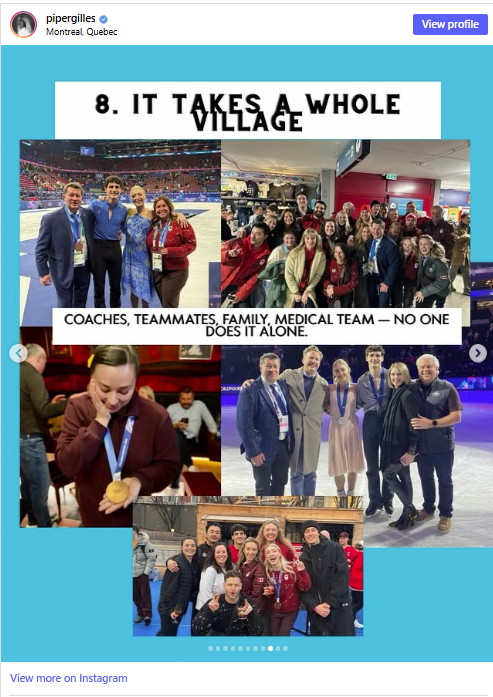
8. Nobody gets there alone
Behind every athlete is a team that rarely gets recognized, including family, coaches, physiotherapists, choreographers, trainers and friends. They're the people who celebrate with you, pick you up after disappointment and remind you that you're more than your results.
“No one does it alone.”
9. Sport lets you see the world differently
One of the greatest gifts of elite sport has been the opportunity to travel, experience different cultures and meet incredible people. Every trip gives you a new perspective and a deeper appreciation for both the places you visit and the place you call home.
“You'll experience places and moments you never imagined. This part is magic.”
10. Being yourself is your superpower
If there's one lesson I wish I could tell my younger self, it's that you don't need to change who you are to succeed. You can always grow and improve, but the person you are at your core is your greatest strength. The more you lean into who you truly are, the more confidence you build. That's when you really begin to flourish.
“Being yourself is actually your superpower.”
Career highlights
- 2026 Olympic bronze medalists
- Five-time ISU World medalists (three silver, two bronze)
- Two-time ISU Four Continents Champions (2024, 2025)
- Three-time Olympians
- Five-time Canadian Champions
You may also like
How Alysa Liu Went From Retirement to Double Olympic Gold
Sweating On and Off the Ice: Inside Figure Skaters' Summer Training
Sun, Surf and Summer Escapes: Skaters Share Their Holiday Adventure