

SYNCHRONIZED SKATING
Inside the First ISU Synchro9 Development Camp in Bangkok, Thailand
31 Jul 2026
Synchronized skating has long been centered in North America and Europe, with a limited competitive presence in Asia. That began to change in July 2026, when skaters, coaches and support staff from across the region gathered in Bangkok for the first ISU Synchro9 Development Camp.
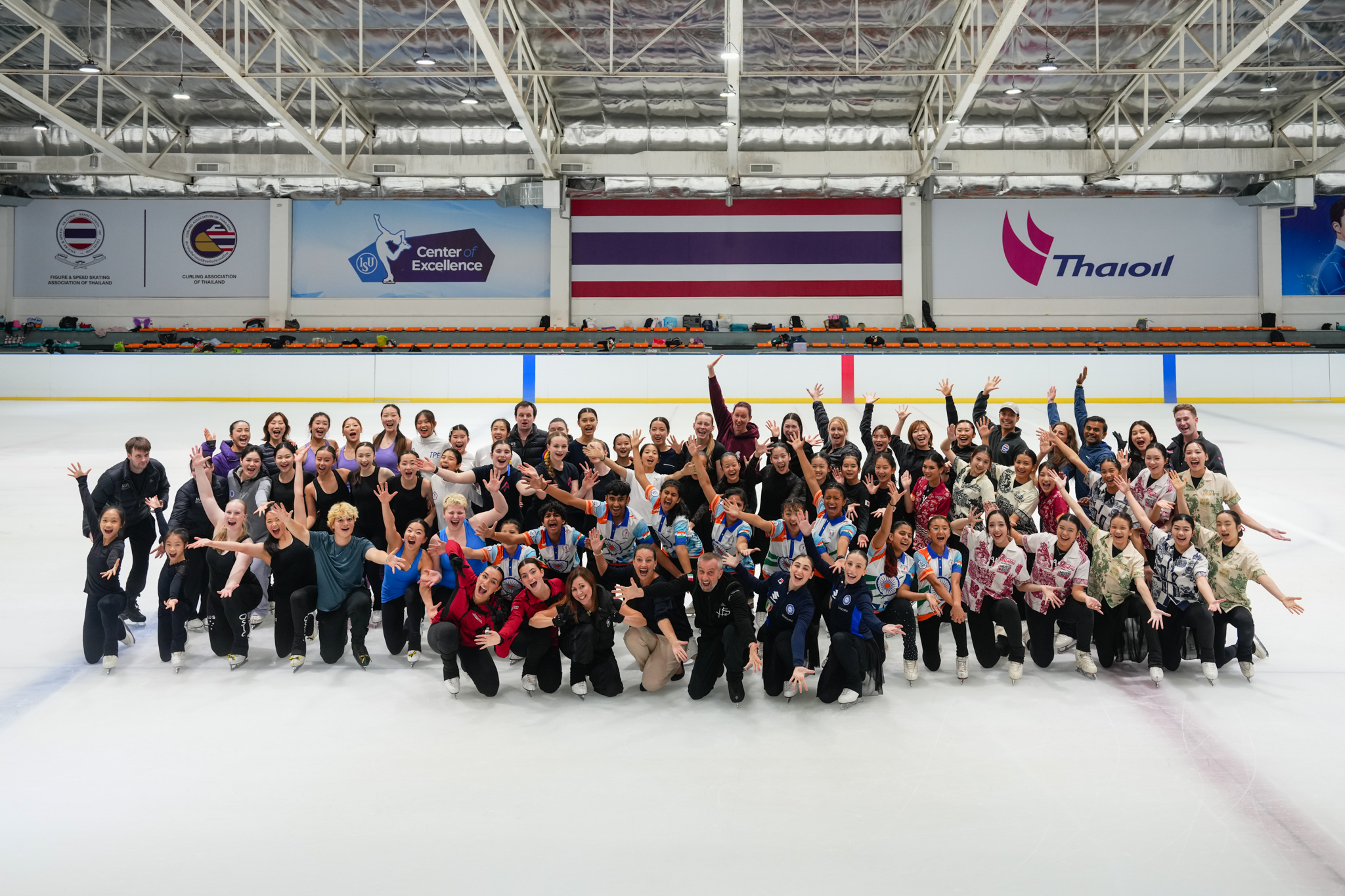
The camp ran July 20–24, 2026, at the IWIS International Training Center, hosted by the Figure and Speed Skating Association of Thailand together with ISU Development. It brought junior-aged athletes together with their coaches and support staff, an important opportunity to develop athletes, coaches, and staff side by side as they build the foundations of Synchro9.
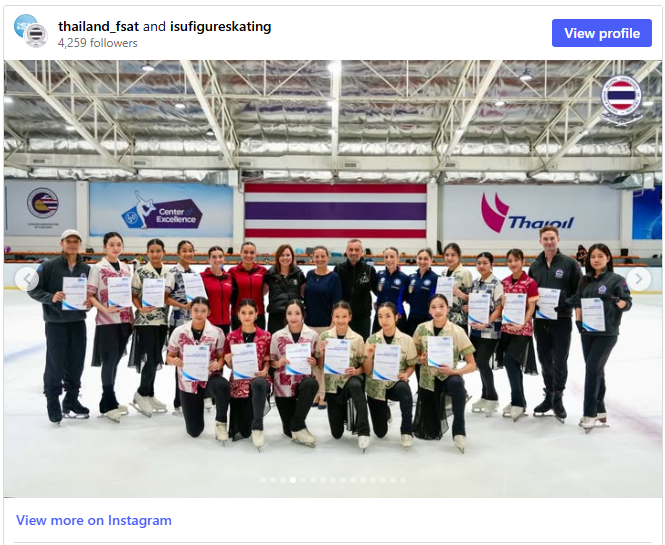
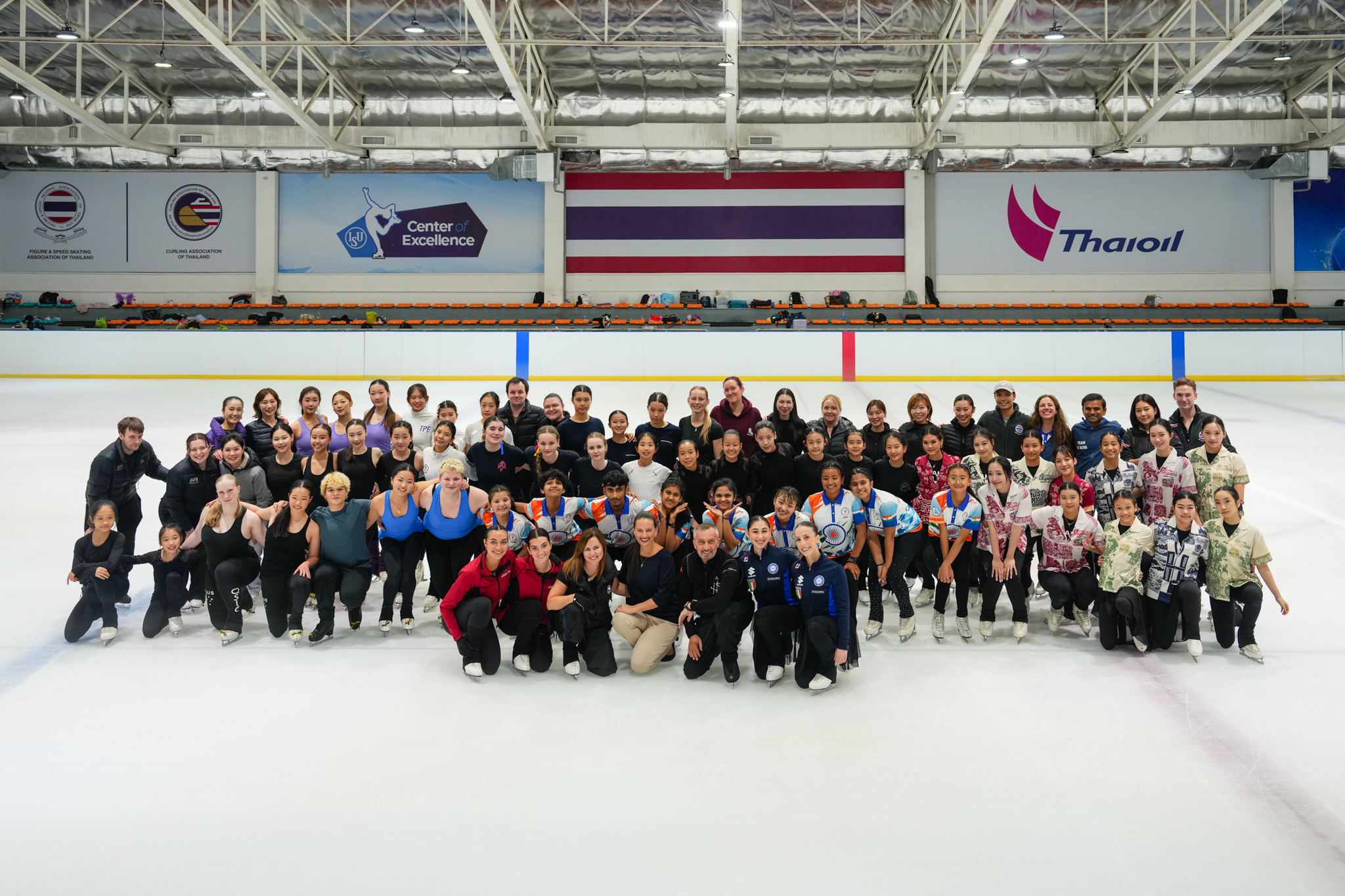 Participants of the first ISU Synchro9 development camp in Bangkok, Thailand © Figure and Speed Skating Association of Thailand (FSAT)
What Synchro9 offers a growing region
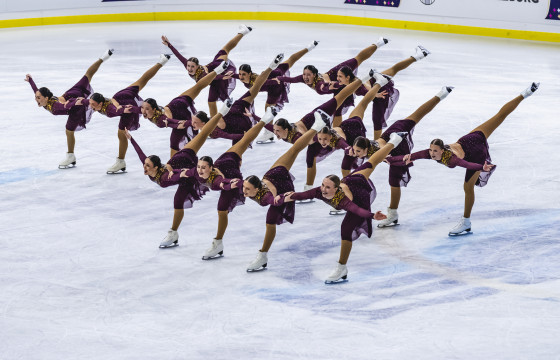
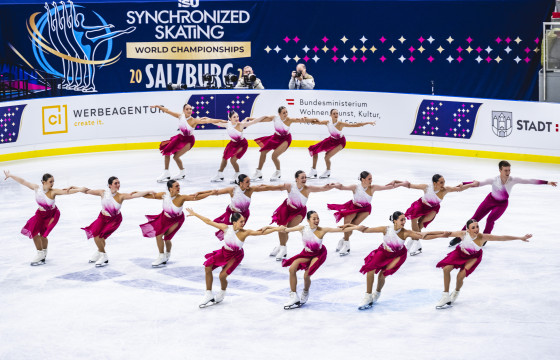
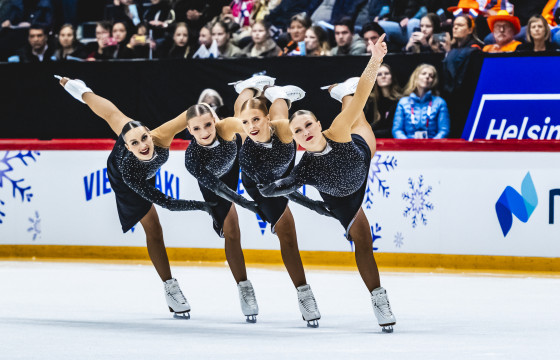
Synchro9 is the nine-skater format of Synchronized Skating, designed for faster, tighter routines and greater accessibility for countries without deep rosters or extensive ice time. It is also set to debut at the Olympic Winter Games Alpes 2030, making it the first Synchronized Skating discipline included in an Olympic program.
Who led the first ISU Synchro9 development camp
That Olympic milestone is part of why this camp carried extra significance. Delegations attended from Hong Kong, Thailand, Chinese Taipei, India, and other countries, with 63 participants in total. Some came from Figure Skating backgrounds, while others, particularly from India, came from roller skating. The camp was moderated by Marilyn Langlois, World Champion coach of Les Suprêmes from Canada, and Andrea Gilardi, coach of Italy's Hot Shivers. Demo skaters from Canada and Italy also joined the camp, skating alongside the junior athletes to share their expertise directly on the ice.
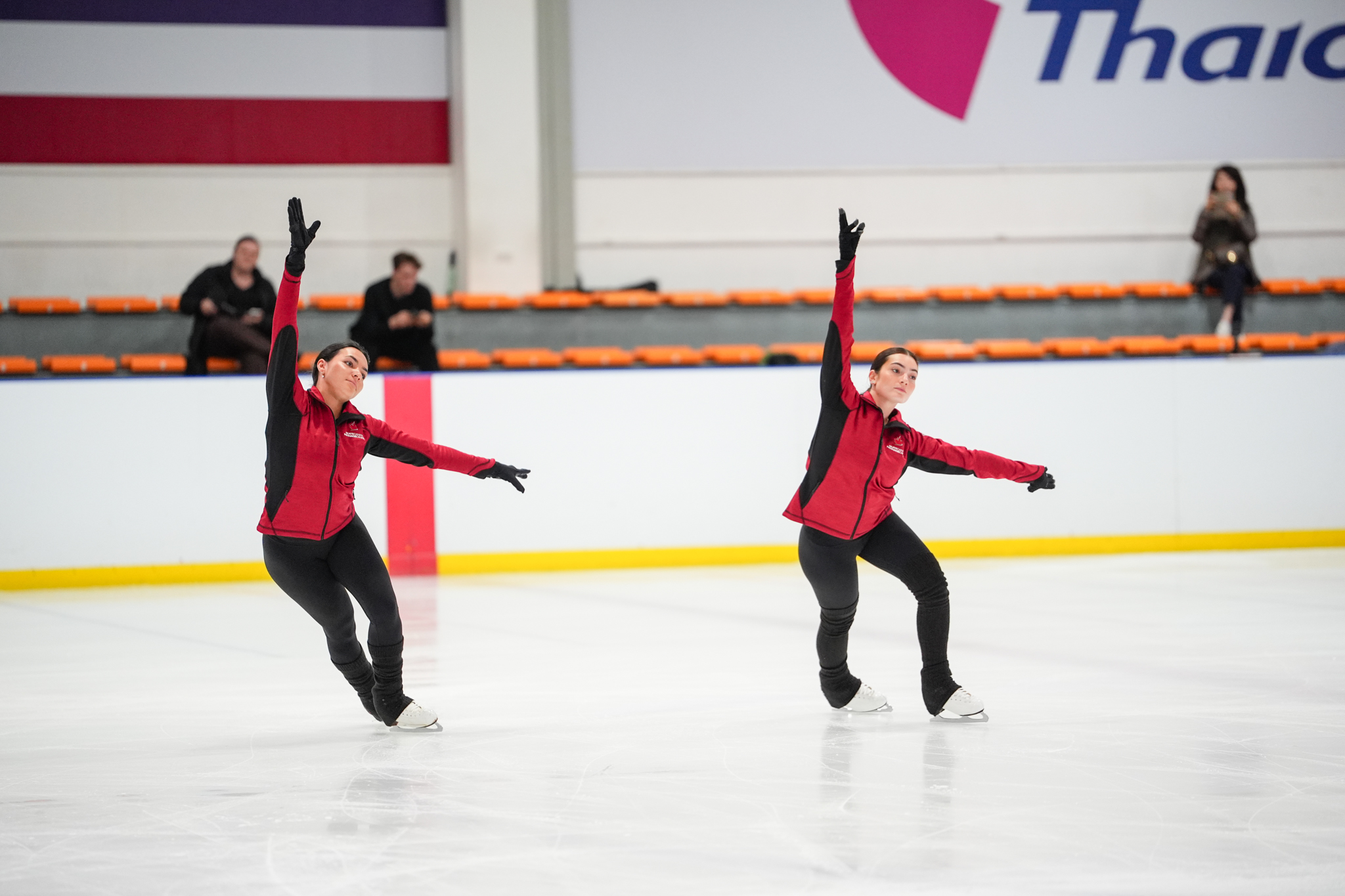
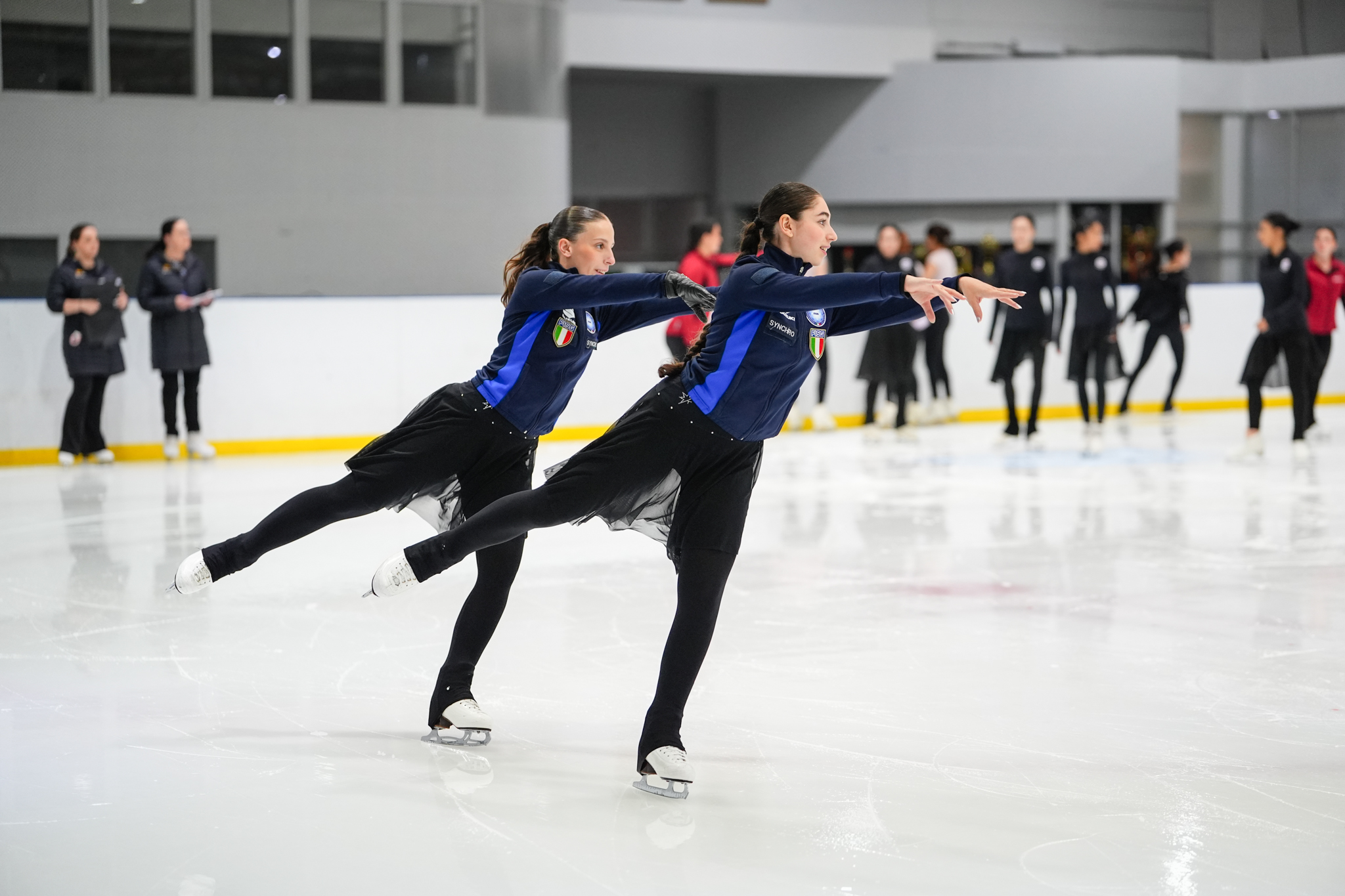
Demo skaters from Canada and Italy at the first ISU Synchro9 development camp in Bangkok, Thailand © Figure and Speed Skating Association of Thailand (FSAT)
Building Synchronized skating in Asia since 2024
This is not the ISU's first development effort in the region. Bangkok has hosted Synchronized Skating development seminars since 2024, and interest has grown steadily since. "There were already two editions of development camps, and the main goal was to make those countries fall in love with Synchro," said Langlois. "A lot of them came back and started to create some programs. There was 28 teams applying and the program could take only 18, so it kept growing."
For Langlois, coaching in Bangkok was significant on a personal level. "It was an honor, I felt very privileged to be there to share my love for synchro on this side of the world," she said. She views this camp as a continuation of that earlier work rather than a fresh start. "I think the first edition of the Synchro9 development isn't that much different in the sense that the seed was already planted, and we did add some sun and water to help them grow to another level."
Gilardi, who has now moderated the Bangkok camp three times, has seen demand increase each year. "We had no idea how many countries would attend the camp in 2024. The participation was so high that another camp was organized in 2025. Both camps were so successful that this year the ISU had to put a limit on the number of inscriptions. We were expecting a good number of interested countries, but this time it went beyond our expectations."
 Participants of the first ISU Synchro9 development camp in Bangkok, Thailand © Figure and Speed Skating Association of Thailand (FSAT)
New Skaters, New Backgrounds
A notable development this year was the number of coaches and skaters arriving from roller skating backgrounds, particularly from India. "I discovered new coaches and skaters from Hong Kong, Thailand, Chinese Taipei, and especially India, coaches coming from the roller skating world," Langlois said. Gilardi attributed part of that shift to the format itself. "It's quite clear that building a team of nine skaters is more affordable than a team of sixteen. In regions with not so many ice rinks and not so many people practicing Figure Skating, this new format is certainly making a big difference, and more countries may see Synchro9 as the right solution in making it more accessible."
Langlois expects the sport's Olympic status to reinforce that trend. "I think the fact that it's now officially an Olympic discipline does and will attract more skaters from all the skating disciplines, even roller in India, since there are fewer skaters per team, they may be able to create more teams."
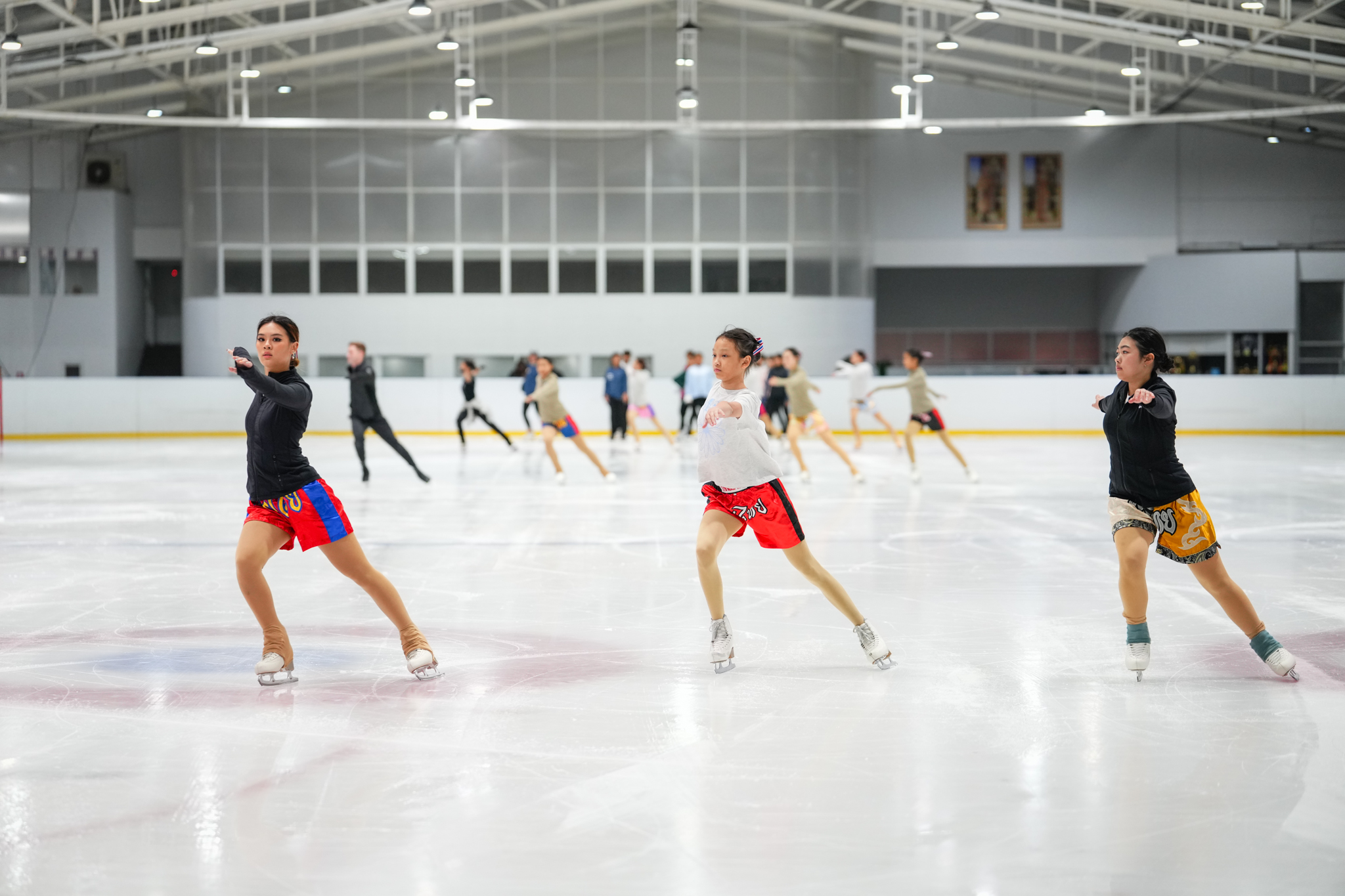
Skaters from Thailand skate in the first ISU Synchro9 development camp in Bangkok, Thailand © Figure and Speed Skating Association of Thailand (FSAT)
Skill levels still developing
On the level of skill across the delegations, both coaches described a wide range, which they characterized as expected for a region still building the discipline. "There was a big range of skills," Langlois said. "Some are ready, some will take a few years." Gilardi offered a similar assessment. "It's a little bit early to express an opinion. Things are happening so fast and the hype about Synchro9 is overwhelming. In the last three ISU camps in Bangkok we have seen delegations with very high potential, and the ISU Development Program is there to support every single potential reality and let the highest number of countries be involved in synchronized skating."
Commitment on and off the ice
Both coaches pointed to the athletes' commitment as a defining feature of the week. "The skaters were so happy and eager to learn, they were always getting on the ice ahead of time and staying on the ice after to keep practicing what they just learned," Langlois said. "They and their coaches were really committed, we could see them practicing their new program off ice around the rink, to make sure they were ready and better the next time they were stepping on the ice." Gilardi noted the relationships that developed over the course of the camp. "During the first meeting we get to know each other, and by the end of the seminar all participants are establishing relationships and remarkable confidence. For this reason, the whole process of what happens during the days of the seminar is what I love the most to remember."
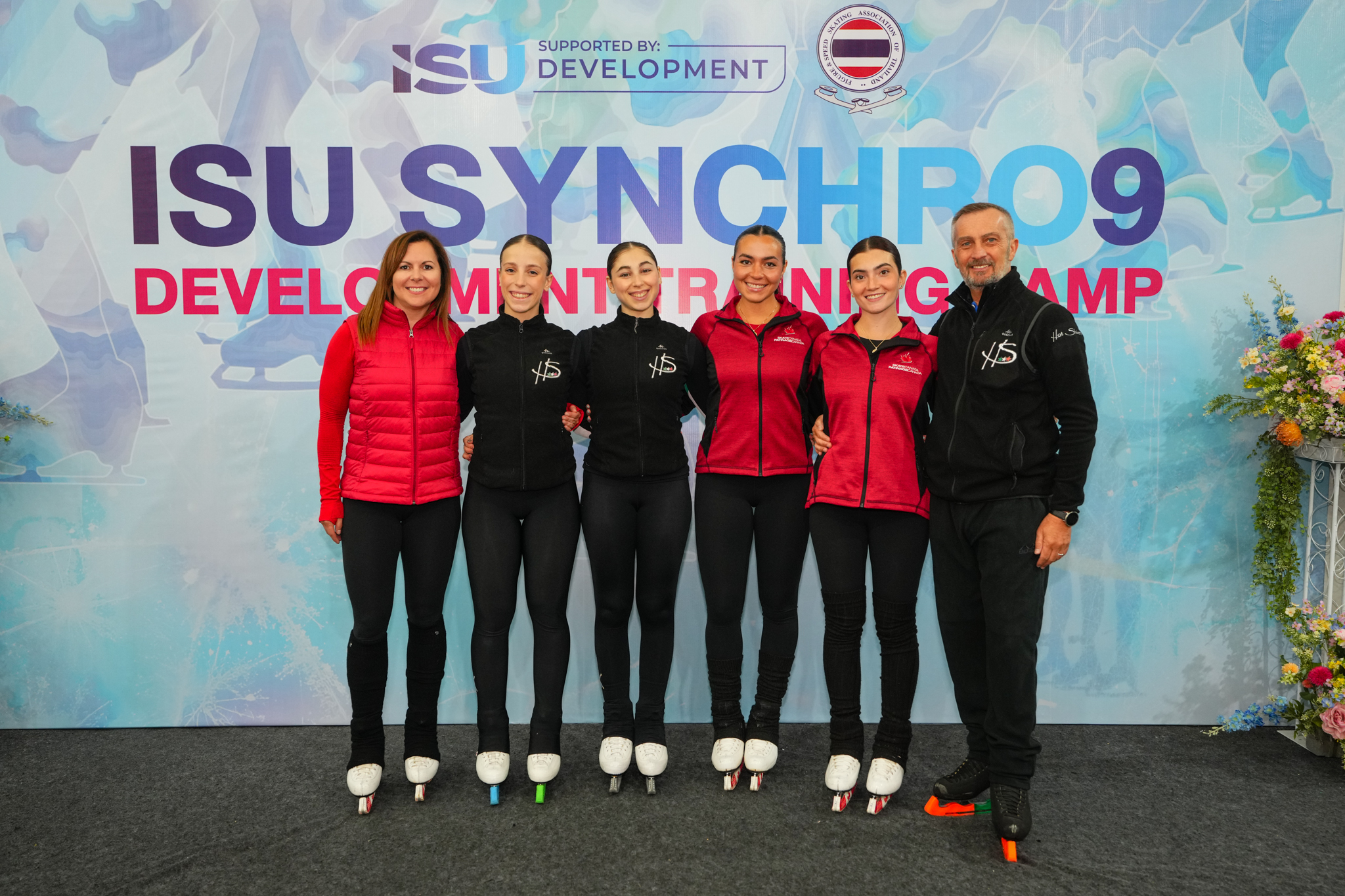
Marilyn Langlois, coach of Les Suprêmes (left) and Andrea Gilardi, coach of Hot Shivers (right) and demo skaters at first ISU Synchro9 development camp in Bangkok, Thailand © Figure and Speed Skating Association of Thailand (FSAT)
Advice for skaters and coaches going home
As the camp concluded, both coaches encouraged participants to apply what they had learned at home. "To the coaches: be innovative and find ways to create the synchronized development program you want in your own country. Ask for help, there are resources for you, we are here to help," Langlois said. "For skaters: allow yourselves to dream big. This will help you do the work to reach what you want to achieve. And for both: keep sharing your passion and love for skating. It's contagious in a very positive way."
Gilardi offered a similar message. "I'd like to tell them to bring this little seed to their country and keep believing that from that seed a huge forest may be born. It takes time and dedication, and the ISU is sustaining the most deserving initiatives, but if you can dream it, you can do it. Who could ever imagine 30 years ago that our sport could go to the Olympics? We all were dreaming about it, and now it's just reality."
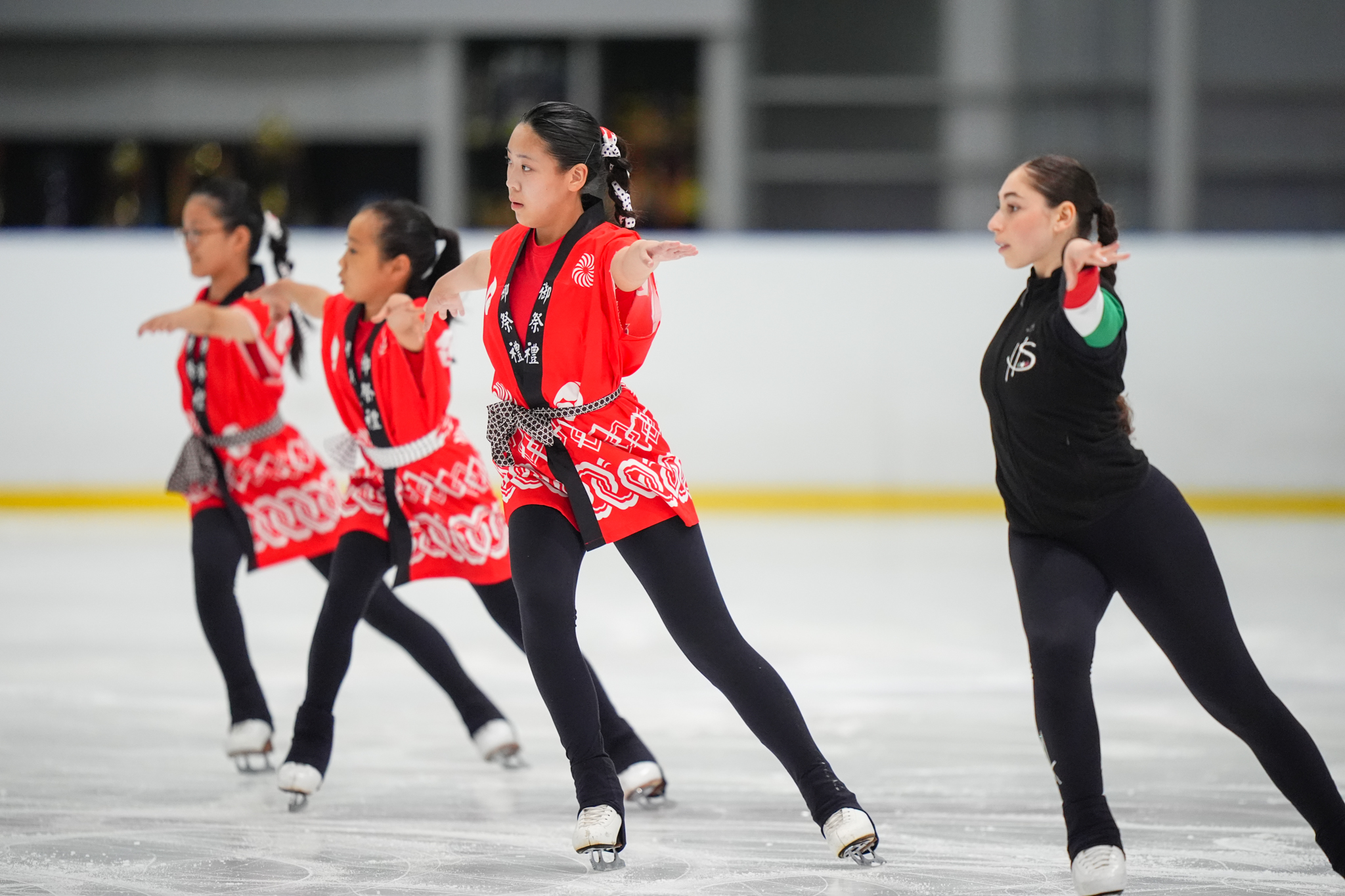
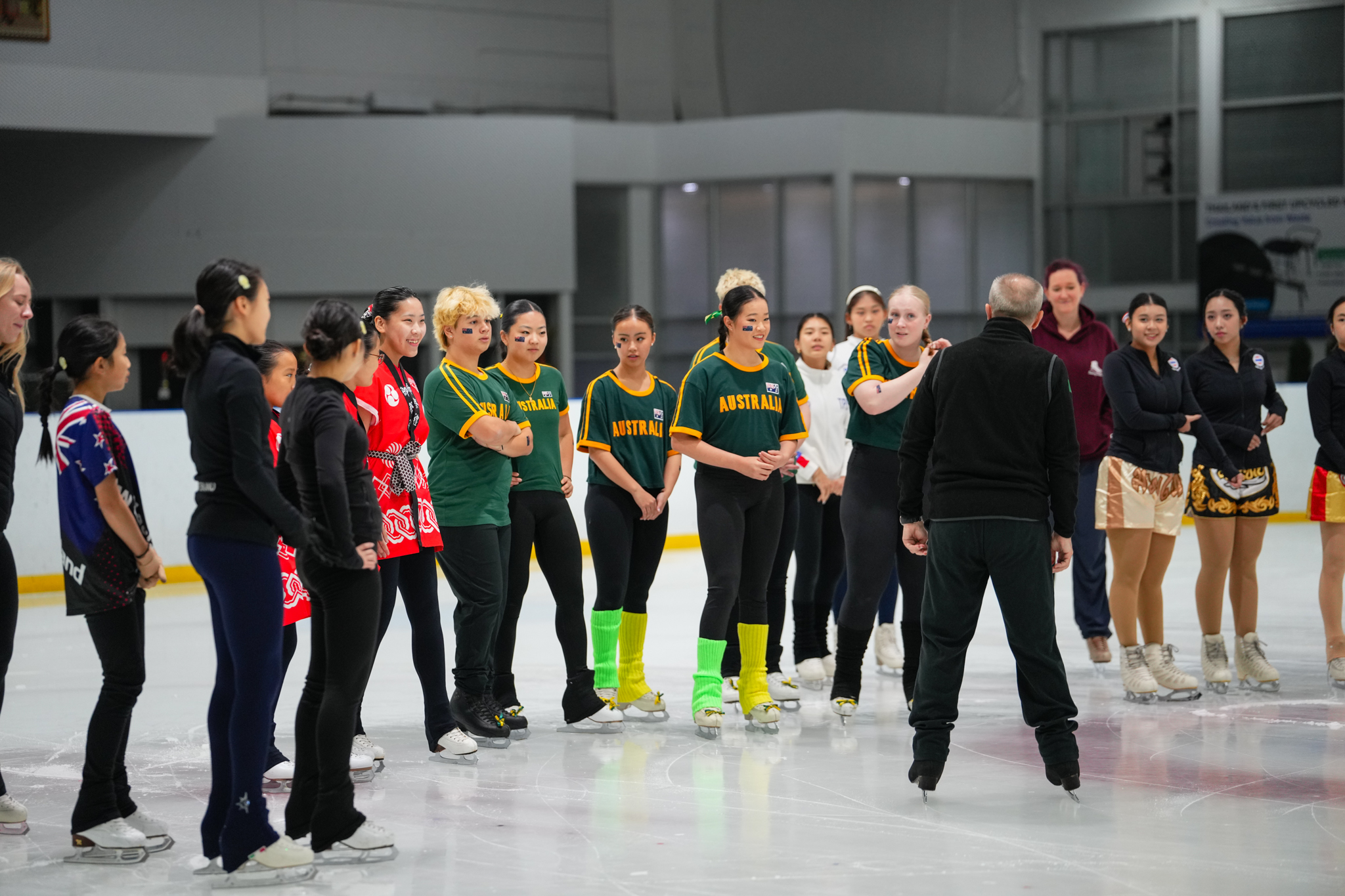
Skaters from Japan at first ISU Synchro9 development camp in Bangkok, Thailand © Figure and Speed Skating Association of Thailand (FSAT)
The future of Synchro9 in Asia
This ISU Synchro9 Development Training Camp is part of a bigger story. What started as a modest seminar in 2024 has grown fast enough that the ISU had to cap enrollment this year with 28 teams applied for just 18 spots. That kind of demand, paired with Synchro9's new Olympic status and its smaller, more accessible team format, is exactly why fans should keep watching the sport evolve in this region.
Hong Kong, Thailand, Chinese Taipei, and India are all building something here, and this camp is just one stop on the way. Want the full picture of how Synchro9 got to this point? Check out our related coverage below:
What is Synchronized Skating? Rules, Teams & How It Works
Synchro9 is Heading to the Olympic Winter Games Alpes 2030!